


TL;DR:
– Canadian disaster-recovery plans must assess regional hazards and facility weaknesses; set clear RPO (data-loss) and RTO (downtime) targets; comply with data-residency rules; choose on-prem, cloud or hybrid setups; distribute backups across multiple geographies; run regular tests; and partner with financially solid vendors under defined SLAs.
– Natural-hazard risks vary by region (e.g., earthquakes and wildfires in BC; floods and drought on the Prairies; lake flooding and winter storms in Ontario/Québec; hurricanes and coastal erosion in Atlantic Canada; permafrost thaw and blizzards in the North).
– Leveraging historical incidents, climate projections and GIS mapping to identify “hotspots” enables smarter resource allocation, targeted infrastructure upgrades and focused emergency training.
Canada’s vast expanse—from the windswept coasts of Newfoundland and Labrador to the rugged peaks of British Columbia and the sprawling prairies of Manitoba—offers breathtaking beauty but also a diverse array of natural hazards. In recent years, Canadians have witnessed the devastating impact of extreme weather events: wildfires that blackened entire forests, floods that submerged communities, and winter storms that brought urban centers to a standstill. As the forces of climate change accelerate, the need to anticipate, prepare for, and recover from these disruptions has never been more urgent.
This article will guide you through two critical pillars of effective disaster recovery planning. First, we’ll map Canada’s disaster hotspots, highlighting regional risk factors—from coastal storm surges in Atlantic Canada to wildfire corridors in the West and flood-prone river valleys in Ontario and Quebec. By understanding the particular threats that your community faces, you can better prioritize resources, coordinate with local agencies, and tailor your response strategies.
Next, we turn to the individual level. Whether you live in a remote northern outpost or a bustling urban neighborhood, every Canadian household can benefit from a clear, actionable recovery plan. In our step-by-step guide, you’ll learn how to assemble essential supplies, establish communication protocols, safeguard critical documents, and adapt your home or business to withstand disruption. We’ll also explore practical tools—such as emergency checklists and digital backups—to ensure that when disaster strikes, you’re ready to bounce back.
Disaster recovery planning may seem daunting, but with the right information and a structured approach, you can transform uncertainty into confidence. Read on to discover the regional risks that matter most to your community and build a personalized recovery blueprint that keeps you and your loved ones safe—no matter what tomorrow brings.
Here are two options for section headlines:
Before settling on any one approach, it’s critical to weigh several key factors that will shape how quickly and smoothly your organization can resume operations after a disruption:
• Local risk profile
– Identify the types of disasters most likely to affect your region—wildfires in British Columbia, ice storms in Ontario, flooding along the Saint John River—and prioritize planning around those hazards.
– Map out high-risk facilities and critical infrastructure, then consider whether your primary site and backup locations share the same vulnerabilities.
• Recovery objectives and tolerance
– Define your recovery point objective (RPO) to establish how much data loss you can tolerate. Do you need continuous replication, or can you accept an hourly or daily restore point?
– Set your recovery time objective (RTO) to determine how long your business can be down. Faster RTOs usually demand more costly solutions like hot-site mirroring, while higher tolerances may allow for cold-site or off-site tape rotation.
• Data residency and compliance
– Canadian privacy laws, including PIPEDA and various provincial statutes, often require certain records to remain within national borders. Ensure any cloud or third-party provider stores data in Canadian data centres.
– If your organization is subject to sector-specific regulations (healthcare, finance, government), confirm that your chosen recovery solution meets or exceeds those standards.
• Infrastructure mix: on-premises, cloud, or hybrid
– A purely on-premises solution can offer maximum control but may be vulnerable if your facility is compromised.
– Cloud-based recovery provides geographic redundancy and rapid provisioning, though you’ll need to manage bandwidth costs and vendor lock-in.
– Hybrid architectures let you keep critical systems in-house while leveraging the cloud for less sensitive workloads—balancing cost, compliance, and speed.
• Geographic diversity of backups
– Store backups at least 250 kilometres from your primary site to avoid regional disasters impacting both locations.
– Consider multiple backup tiers: local snapshots for fast restores, off-site vaults for long-term retention, and cloud archives for ultimate resilience.
• Testing cadence and continuous improvement
– Regularly schedule tabletop exercises and full restoration drills to validate assumptions and uncover weaknesses.
– Update your plan after every test, every infrastructure change, and whenever your business objectives shift.
• Vendor reliability and contractual clarity
– Evaluate the financial stability and track record of your recovery service providers.
– Negotiate clear service-level agreements (SLAs) that spell out recovery priorities, escalation procedures, and penalties for missed targets.
By methodically considering each of these dimensions, Canadian organizations can tailor a disaster recovery strategy that aligns with their unique risk landscape, regulatory environment, and operational imperatives.
1. “Mapping Canada’s Disaster Hotspots: Understanding Regional Risks”
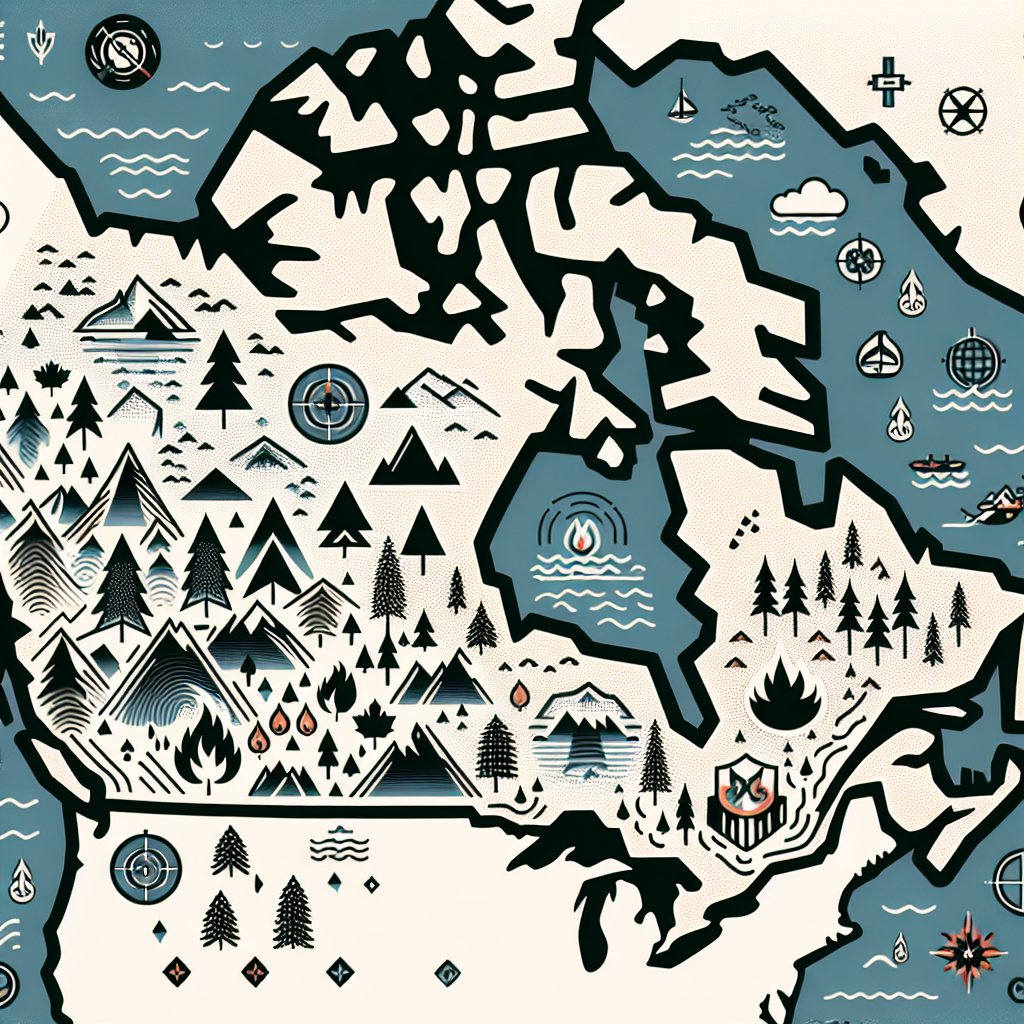
Across Canada’s vast expanse, the intensity and frequency of natural disasters vary widely from coast to coast. In British Columbia, the Pacific Rim’s tectonic activity and increasingly severe wildfire seasons pose dual threats: a major earthquake along the Cascadia subduction zone could strike with little warning, while summer droughts and heat waves fuel fast-moving forest fires. Moving east across the Prairies, communities on the flat plains grapple primarily with severe flooding—spring snowmelt and heavy rainfall can swell rivers like the Red and South Saskatchewan—and with prolonged drought periods that threaten agriculture and water supplies.
Ontario and Québec experience their own mix of risks. Urban centres along the Great Lakes are vulnerable to spring and summer floods as fluctuating lake levels combine with intense rainfall. In winter, heavy snowstorms and ice storms can leave hundreds of thousands without power for days. Further east in Atlantic Canada, coastal communities must prepare for powerful hurricanes and nor’easters that arrive with storm surges and coastal erosion, often in late summer and early fall.
In Canada’s far north, permafrost thaw, extreme cold snaps and unpredictable ice conditions create challenges for remote communities. Melting permafrost undermines buildings and infrastructure, while sudden blizzards can cut off airstrips and supply routes. These regional differences underscore the importance of detailed hazard mapping. By combining historical incident data, climate projections and Geographic Information System (GIS) tools, planners can identify local “hotspots” where multiple risks overlap. A floodplain mapped alongside wildfire corridors or earthquake fault lines, for instance, highlights communities that need prioritized investment in resilient infrastructure, emergency training and evacuation planning.
Understanding these regional patterns is the first step in crafting a disaster recovery strategy that fits each community’s unique vulnerabilities. By mapping Canada’s disaster hotspots, policymakers, emergency responders and businesses can allocate resources more efficiently, design tailored response drills, and ultimately reduce recovery times when disasters strike.
