


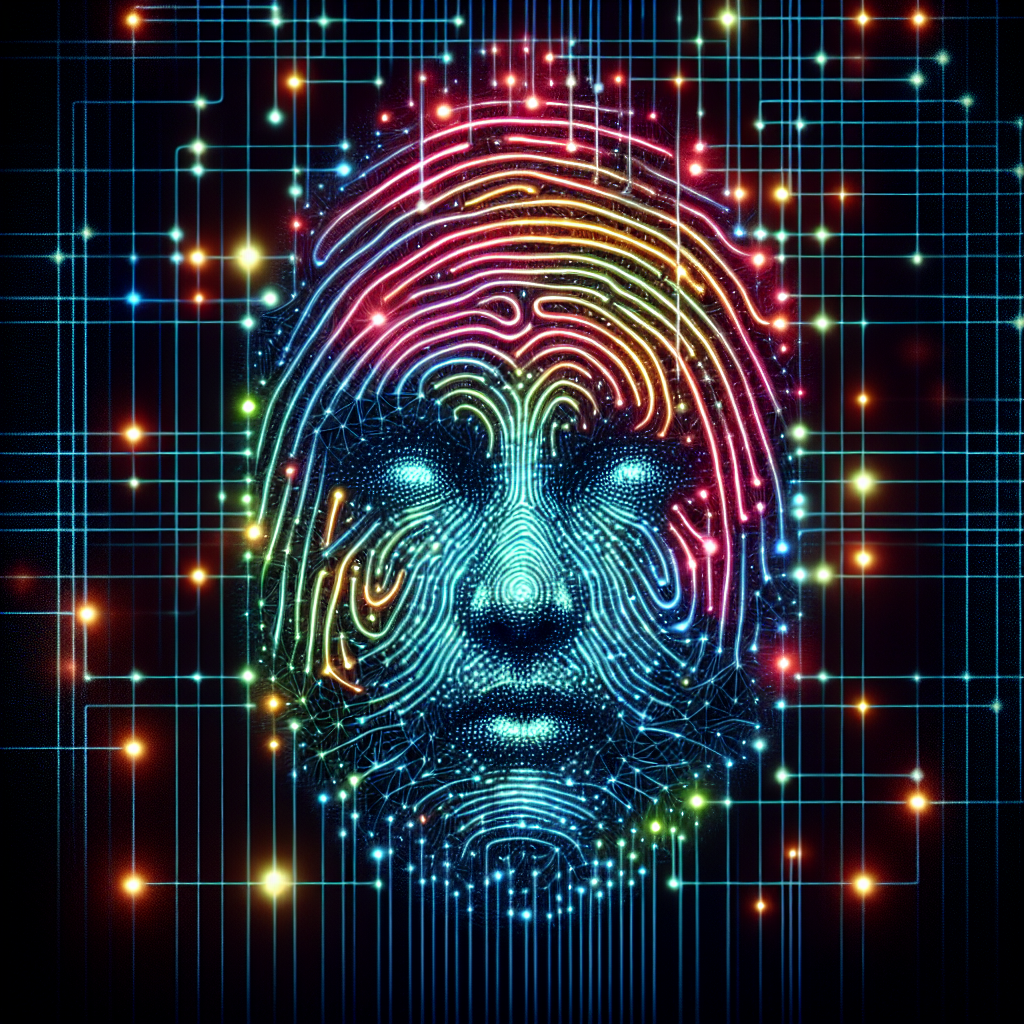
TL;DR: Modern biometric authentication replaces passwords with high-resolution optical, capacitive and ultrasonic sensors plus advanced cameras and infrared illuminators to capture fingerprints, faces and irises. Deep-learning pipelines, liveness checks and FIDO2/WebAuthn secure enclaves encrypt and store feature templates for fast, passwordless logins, while emerging edge-AI enables continuous, multimodal verification. To guard against irreversible biometric theft and privacy violations, organizations must use on-device encryption, privacy-by-design, informed consent, cancellable templates, multi-factor fallback, continuous auditing and strict GDPR/CCPA compliance.
In a world where digital security threats multiply by the day, traditional passwords and PINs have begun to show their age. Unsurprisingly, organizations and users alike are turning to biometrics—unique physical or behavioral characteristics—to verify identity and protect sensitive data. From the swipe of a fingerprint scanner to the glance of a facial recognition camera, biometric authentication promises faster logins, fewer forgotten passwords and a higher bar against unauthorized access.
This article explores how biometric technology has evolved from experimental labs into everyday tools that secure our phones, laptops and even our workplaces. In the first section, “From Passwords to Fingertips: The Technology Powering Modern Biometric Authentication,” we’ll trace the development of key modalities—fingerprint, face and iris recognition, voiceprints and more. You’ll learn how sensors capture and convert biological traits into digital templates, as well as the machine learning algorithms that refine accuracy and speed in real time.
Yet, no security solution comes without trade-offs. In the second section, “Balancing Security and Privacy: Challenges and Best Practices in Biometric Deployment,” we dig into the thornier questions of consent, data storage and ethical use. How do organizations ensure that biometric data cannot be reverse-engineered or misused? What regulatory frameworks govern its collection and retention? We’ll outline industry best practices—from template encryption to user-centric privacy controls—that help strike the right balance between robust protection and individual rights.
By the end of this article, you’ll gain a clear understanding of why biometrics are reshaping authentication worldwide—and what measures are required to deploy these powerful tools responsibly. Whether you’re an IT manager evaluating new access controls or simply curious about the next wave of identity verification, this deep dive will equip you with the insights and practical guidance you need.
1. From Passwords to Fingertips: The Technology Powering Modern Biometric Authentication
Gone are the days when a string of characters represented the primary line of defense between users and their digital lives. Modern biometric authentication replaces static passwords with dynamic, physiological and behavioral traits—fingerprints, facial geometry, iris patterns, voice prints and even typing rhythms. At the heart of this evolution lie increasingly sophisticated sensors built into everyday devices. Optical and capacitive fingerprint readers now deliver sub‐millimeter resolution while ultrasonic sensors probe skin layers to thwart fake replicas. High‐resolution cameras and infrared illuminators capture facial and iris data under varied lighting conditions, laying the groundwork for reliable recognition even in challenging environments.
Beyond hardware, advances in signal processing and machine learning have revolutionized how raw biometric inputs become actionable credentials. When you press your fingertip against a sensor, embedded systems extract key features—minutiae points in the ridges of a fingerprint or nodal points on the face—and convert them into encrypted templates. Convolutional neural networks and other deep‐learning models then perform rapid matching against stored templates, achieving accuracy rates that far exceed traditional password checks. Crucially, modern solutions incorporate liveness detection algorithms that analyze subtle cues—pulse, microblinks or blood-flow patterns—to distinguish genuine users from high-quality spoofs or masks.
To ensure both security and privacy, these biometric templates are typically stored and processed within secure enclaves or trusted execution environments on the device. Industry standards such as FIDO2 and WebAuthn define protocols that allow biometric verification to unlock cryptographic keys, enabling passwordless logins without exposing raw biometric data to external servers. Templates can also be protected with cancellation techniques, meaning a compromised template can be replaced without losing the underlying biometric trait.
Looking ahead, the convergence of edge computing and advanced AI is enabling continuous and multimodal authentication. Systems can now blend fingerprints, facial recognition and voice analysis—or even monitor typing speed and gait—into a composite risk score that adapts in real time. As devices grow more powerful and algorithms more efficient, biometric authentication promises to remain at the forefront of a safer, more seamless digital experience.
2. Balancing Security and Privacy: Challenges and Best Practices in Biometric Deployment
Deploying biometric systems requires striking a careful balance between strengthening security and respecting individual privacy. On one hand, biometrics such as fingerprints, facial recognition, or iris scans can offer more reliable and convenient authentication than passwords or tokens. On the other hand, the inherently personal nature of biometric data raises unique concerns: once compromised, these traits cannot be “reset” like a password, and they often carry sensitive implications about a person’s identity, health or ethnicity.
One of the primary challenges is securing the biometric templates themselves. Unlike encrypted passwords, biometric data is inherently fixed—if a database is breached, the user cannot simply change their fingerprint. To mitigate this risk, organizations must adopt strong encryption and store biometric templates in protected enclaves rather than in centralized, easily targeted repositories. On-device processing, where the biometric matching takes place locally on a user’s smartphone or hardware token, reduces the attack surface and prevents raw biometric data from traversing public networks.
Privacy concerns also extend beyond data theft. Continuous or covert biometric scanning can amount to unwarranted surveillance. Users may feel uneasy if face recognition cameras are deployed without clear notice or the ability to opt out. Transparency and informed consent are therefore vital. Clear policies should outline what data is collected, how long it is retained, who has access, and under what circumstances it will be shared. This level of disclosure not only fosters trust but often aligns with evolving data protection regulations like GDPR and CCPA.
Best practices for balancing security and privacy in biometric deployments include:
• Privacy by design – build systems with minimal data collection and retention from the outset, applying anonymization and data masking wherever possible.
• Multi-factor authentication – combine biometrics with PINs or tokens to provide fallback options and reduce reliance on a single data point.
• Template protection – use cancellable biometrics or biometric cryptosystems that allow for template revocation and regeneration if compromised.
• Audit and monitoring – implement logging and regular audits of biometric access events to detect anomalies and unauthorized usage quickly.
• Regulatory compliance – stay up to date with relevant privacy laws and industry standards, ensuring contractual agreements with third-party vendors include strict data handling requirements.
By integrating these safeguards and best practices, organizations can leverage the impressive security benefits of biometrics without sacrificing the privacy rights of the individuals they serve. The result is a more resilient, user-friendly authentication framework that commands trust and upholds legal and ethical standards.
