


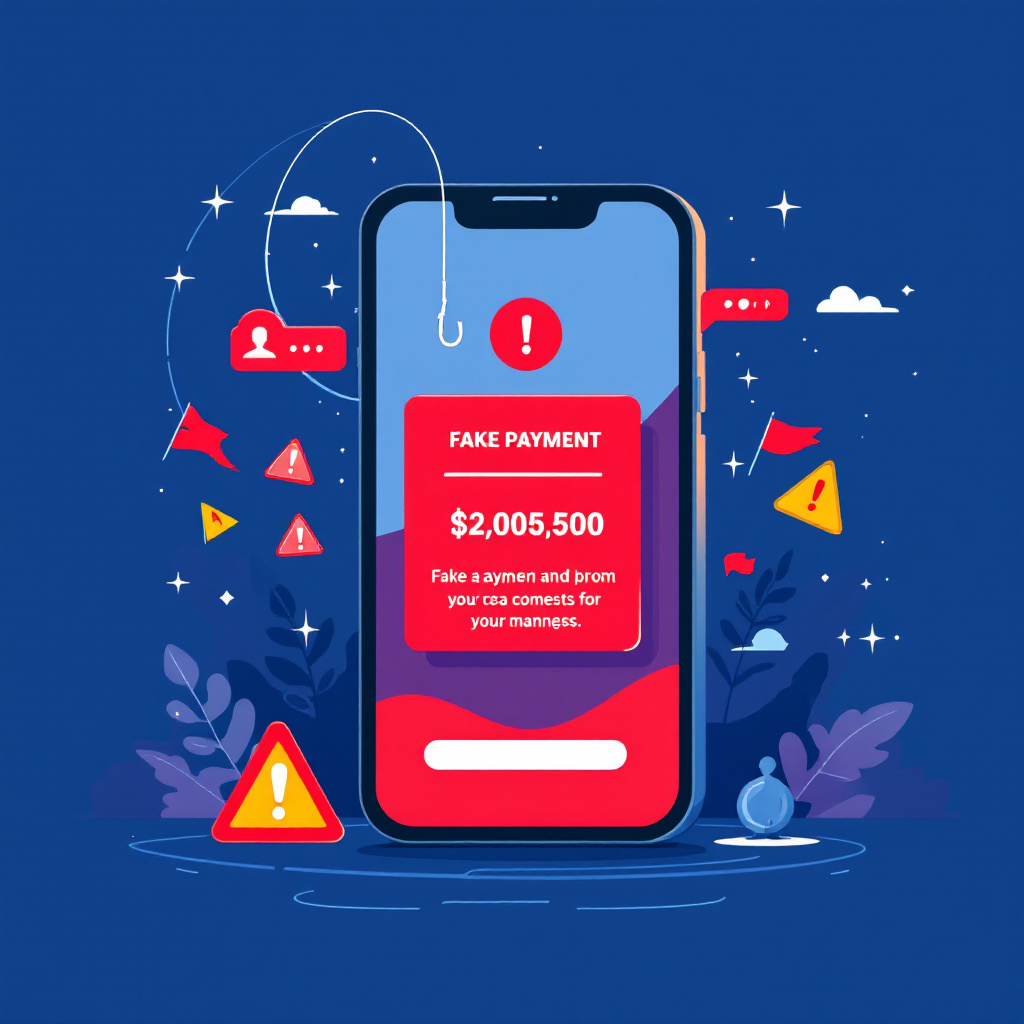
Sarah was thrilled when she received the email about her vintage guitar listing on Kijiji. The buyer claimed to be overseas and offered to pay her asking price of 800 without even negotiating. Even better, he said his "assistant" would send a certified cheque for 2,200 to cover the guitar plus shipping costs, and Sarah could simply wire back the difference. It seemed like easy money—until her bank called three days later to inform her that the cheque had bounced, and she was now on the hook for the $1,400 she'd already sent via money transfer.
Sarah had just become the latest victim of one of the most persistent scams in the book: the overpayment scam.
What This Scam Is
The overpayment scam is a fraudulent scheme where criminals intentionally send you more money than required for a purchase, service, or transaction, then ask you to refund the "excess" amount. The catch? Their original payment is fake, fraudulent, or will be reversed—but by the time you discover this, you've already sent real money to the scammer using an irreversible payment method.
This scam has been around for decades, but it's evolved with technology and continues to trap unsuspecting Canadians selling items online, freelancing, or even receiving what appears to be legitimate business payments.
How the Scam Typically Works
1. The Bait
Scammers target people selling items online, offering services, or advertising rentals. They respond to your ad with enthusiasm, often agreeing to your asking price without negotiation. They may claim to be traveling, overseas, or unable to meet in person, which explains why they need to handle payment remotely.
2. The Hook
The scammer sends a payment that exceeds the agreed amount—sometimes significantly. They provide a seemingly reasonable explanation: they're covering shipping costs, paying their assistant's fees, or their accounting department made an error. The payment often comes as a cheque, money order, or even a fraudulent electronic transfer that initially appears legitimate.
3. The Pressure
Once you receive the overpayment, the scammer creates urgency. They need the excess money sent back immediately due to a family emergency, travel plans, or business deadline. They'll often specify that you send the refund via wire transfer, cryptocurrency, or gift cards—all irreversible payment methods. They may even let you keep a portion of the overage as a "tip" for your trouble.
4. The Payoff (For the Scammer)
You send the real money to the scammer, believing their payment was legitimate. Days or weeks later, you discover their original payment was fraudulent. Banks can reverse fake cheques, fraudulent transfers can be clawed back, and stolen payment methods are cancelled. You're left responsible for the full amount while the scammer disappears with your refund.
Red Flags to Watch For
• Overpayment without explanation or with elaborate explanations
• Requests to wire money, send gift cards, or use cryptocurrency for refunds
• Buyers who agree to full asking price without negotiation
• Claims of being overseas, traveling, or unable to meet in person
• Pressure to act quickly on refunding excess payment
• Poor grammar, spelling, or generic responses that don't reference specific details of your listing
• Payments from third parties or business accounts unrelated to the buyer
• Requests to deposit cheques before they fully clear
How to Protect Yourself
Verify payment authenticity. Wait for cheques and money orders to fully clear—this can take up to two weeks, despite what your bank's hold policy suggests. For electronic transfers, confirm with your bank that the funds are genuinely available and irreversible.
Never refund overpayments immediately. Legitimate buyers don't typically overpay by accident, and genuine overpayments can wait until you're certain the original payment is valid.
Use secure payment methods. Prefer cash for local transactions, or use payment platforms that offer buyer and seller protection. Be wary of payment methods that can be easily faked or reversed.
Meet buyers in person when possible. For local sales, arrange to meet in safe, public locations. Many police stations offer designated areas for online transaction meetups.
Trust your instincts. If a deal seems too good to be true or a buyer seems overly eager, take time to verify their legitimacy. Legitimate buyers will understand reasonable precautions.
Implement communication verification. Ask buyers specific questions about your listing to ensure they've actually read it. Scammers often send generic responses to multiple sellers.
Real Examples
Email Example:
"Hello, I am interested in your couch listed for 600. I am currently traveling for work but would like to arrange payment immediately. My company will send certified cheque for 1,800 to cover item and shipping arrangements. Please confirm your address so we can proceed. You can keep extra 200 for your time and send remaining 1,000 to our shipping coordinator via Western Union. Thank you for understanding."
Red flags: Overpayment, wire transfer request, urgency, generic language, traveling excuse.
Text Message Example:
"Hi! Love your car! I'll take it for asking price 8000. My assistant accidentally sent cheque for 10,500. Can you mobile deposit and send back $2,500? I'm deployed overseas and need this sorted quickly. Thanks!"
Red flags: No negotiation, overpayment "accident," military/overseas claim, pressure for quick action.
Why This Scam Is Increasing
The rise of online marketplaces has created more opportunities for these scams, while digital payment methods make it easier for criminals to create convincing fake payments. The Canadian Anti-Fraud Centre reports that online purchase and sale scams, including overpayment schemes, continue to increase year over year.
Economic pressures also make people more susceptible—when someone needs money quickly, they're more likely to overlook red flags in what appears to be a generous offer. Additionally, scammers are becoming more sophisticated, using better English, researching their targets, and creating more convincing fake payment documents.
The COVID-19 pandemic accelerated online selling as people decluttered homes and sought additional income, creating a larger pool of potential victims who may be new to online sales and less familiar with common scam tactics.
Expert Insight
Cybersecurity experts emphasize that overpayment scams succeed because they exploit both greed and trust. The "extra money" creates excitement that can cloud judgment, while the scammer's willingness to overpay initially builds false confidence in their legitimacy. The key defense is understanding that legitimate transactions rarely involve overpayments, and any excess payment should be treated with extreme skepticism until thoroughly verified.
What to Do If You’re Targeted or Victimized
If you receive a suspicious overpayment, don't deposit the payment or respond to the sender. Instead, report the attempted scam to the Canadian Anti-Fraud Centre and the platform where you were contacted.
If you've already sent money to a scammer, act quickly. Contact your bank or payment service immediately to report the fraud and attempt to reverse the transaction, though success isn't guaranteed with irreversible payment methods. Report the incident to local police and the Canadian Anti-Fraud Centre at 1-888-495-8501 or through their online reporting system.
Document everything: save all communications, payment records, and transaction details. This information can help authorities investigate and may be necessary for insurance claims or legal proceedings.
Final Takeaway
Remember: In legitimate transactions, overpayments are rare accidents that patient buyers will allow you to verify—they're never urgent emergencies requiring immediate wire transfers.
