


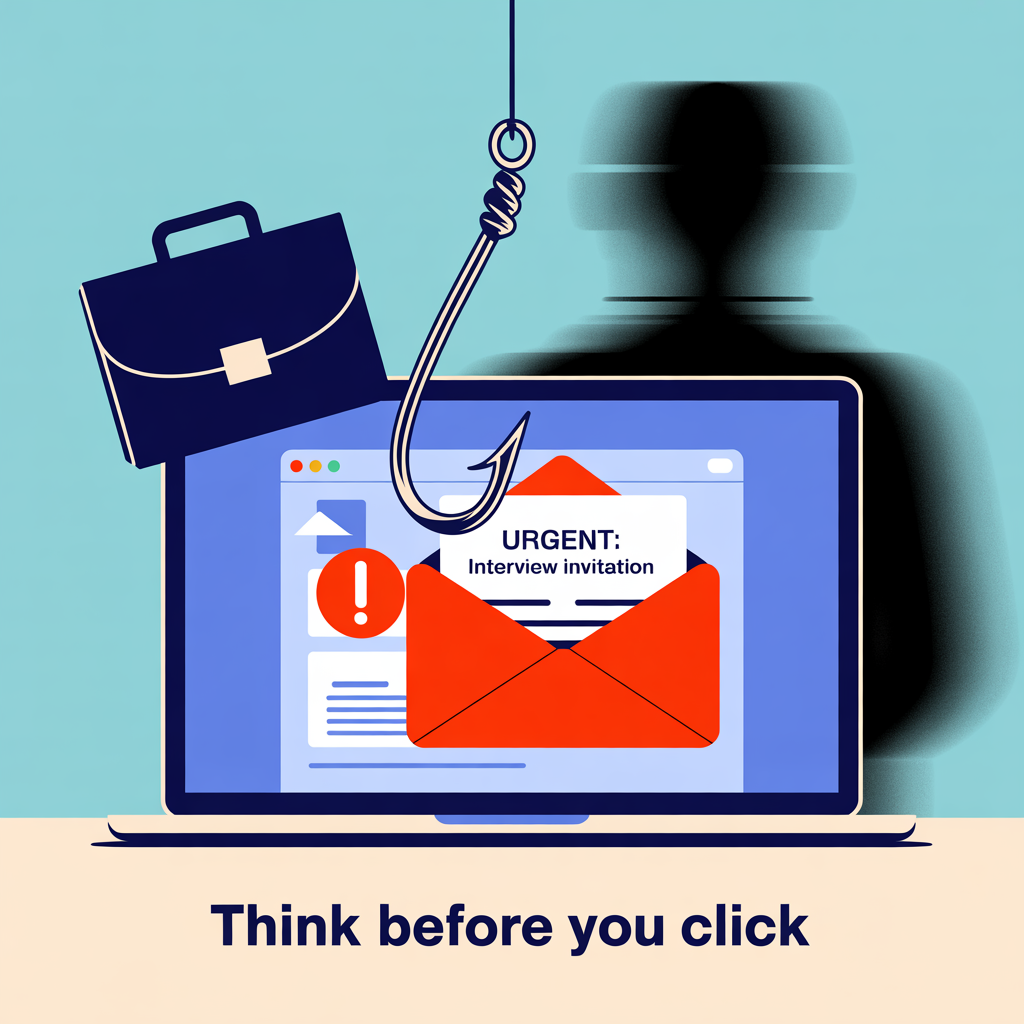
When Opportunity Knocks Too Good to Be True
Sarah Chen had been unemployed for three months when the email arrived. A "Senior Marketing Manager" position at a well-known tech company—$85,000 salary, full benefits, remote work. The recruiter, "Jennifer Walsh," said Sarah's LinkedIn profile was "exactly what they were looking for" and wanted to fast-track her application.
Within hours, Sarah received a conditional job offer. All she needed to do was provide her Social Insurance Number for the background check and pay a $200 "equipment processing fee" to receive her company laptop. Something felt off, but Sarah was behind on rent and desperate. She almost clicked "send" on that wire transfer.
Fortunately, she paused and called the company directly. They'd never heard of Jennifer Walsh—and they weren't hiring.
Sarah had nearly fallen victim to one of the fastest-growing scams targeting Canadians: the fake job offer scam.
What This Scam Is
A fake job offer scam occurs when criminals pose as legitimate employers or recruiters to steal personal information, money, or both from job seekers. These scammers create convincing job postings, conduct fake interviews, and even issue fraudulent employment contracts—all designed to exploit people's desire for work and financial stability.
Unlike traditional employment fraud, these scams have become increasingly sophisticated, often mimicking real companies' branding, using professional communication, and leveraging information from data breaches to appear authentic.
How the Scam Typically Works
1. The Bait
Scammers post attractive job listings on legitimate job boards like Indeed, LinkedIn, or Workopolis. These positions typically offer above-market salaries, flexible schedules, or remote work options—especially appealing in today's job market. They may also scrape resumes from job sites and reach out directly to potential victims via email or text message.
2. The Hook
Once someone responds, the "recruiter" moves quickly. They conduct brief, informal interviews via text, email, or messaging apps (rarely video calls where their identity could be verified). The interview process is surprisingly easy—almost everyone who applies gets "hired." They may send official-looking contracts, complete with company letterhead and detailed job descriptions.
3. The Pressure
Here's where the scam reveals itself. The victim is told they need to:
- Provide sensitive personal information (SIN, banking details, copies of ID) for “background checks”
- Pay upfront fees for equipment, training materials, or processing costs
- Cash fake checks and wire portions back for “supplies”
- Complete “training modules” that are actually data harvesting schemes
The scammer creates urgency: "We need this information today to secure your position" or "Training starts Monday—we need payment by Friday."
4. The Payoff (For the Scammer)
With the victim's personal information, scammers can commit identity theft, open fraudulent accounts, or sell the data on the dark web. Any money paid upfront goes directly into their pockets. In check-cashing schemes, victims are left responsible for the fraudulent deposits when banks discover the checks are fake.
Red Flags to Watch For
• Too good to be true offers: Exceptionally high pay for minimal qualifications or experience
• Immediate job offers: Being "hired" without a proper interview or reference check
• Upfront payment requests: Legitimate employers never ask employees to pay for equipment or training
• Communication only via text/email: Refusal to conduct phone or video interviews
• Generic job descriptions: Vague responsibilities or copy-pasted content from other listings
• Pressure tactics: "Limited time offers" or demands for immediate responses
• Personal email addresses: Recruiters using Gmail, Yahoo, or other free email services instead of company domains
• Poor grammar and spelling: Professional communications riddled with errors
• Request for banking information: Asking for account details before employment begins
How to Protect Yourself
Research thoroughly: Verify the company exists and check their official website for current job openings. Look up the recruiter on LinkedIn and call the company's main number to confirm their employment.
Never pay upfront: Legitimate employers cover all job-related expenses. If someone asks for money, it's a scam.
Protect your personal information: Don't provide your SIN, banking details, or copies of identification until you've verified the employer and completed proper onboarding procedures.
Trust your instincts: If something feels rushed or too good to be true, step back and investigate further.
Use secure job platforms: Stick to reputable job boards and be extra cautious with unsolicited offers via email or text.
Verify through official channels: Always contact companies directly using phone numbers or email addresses from their official websites, not the contact information provided by the "recruiter."
Real Examples
Here's what these scams look like in practice:
Email Example:
"Congratulations! You've been selected for our Remote Data Entry Specialist position ($28/hour). We found your resume online and believe you're perfect for this role. Please reply with your full name, address, phone number, and SIN to begin the hiring process immediately. Training starts Monday!"
Red flags: Unsolicited offer, immediate selection, request for SIN, artificial urgency.
Text Message Example:
"Hi! I'm Lisa from MegaCorp HR. We have a work-from-home customer service position available. $25/hour, flexible schedule. Interested? Text back ASAP - only 2 spots left!"
Red flags: Unprofessional communication method, pressure tactics, too-good-to-be-true offer.
Why This Scam Is Increasing
The fake job offer scam has exploded for several reasons. Economic uncertainty has left more people unemployed or underemployed, making them vulnerable to attractive but fraudulent opportunities. The shift to remote work has normalized online-only hiring processes, making it easier for scammers to avoid face-to-face verification.
Additionally, artificial intelligence tools now help scammers create more convincing job postings and communications. Data breaches provide criminals with detailed information about potential victims, allowing them to craft personalized, believable approaches.
The Canadian Anti-Fraud Centre reports that employment-related scams have increased by over 40% since 2020, with losses totaling millions of dollars annually.
Expert Insight
Cybersecurity experts emphasize that these scams exploit both financial desperation and the natural trust people place in employment opportunities. "Scammers understand that job seekers are often in vulnerable positions and may overlook red flags they'd normally catch," notes fraud prevention specialists. "The key is maintaining healthy skepticism while job hunting—verify everything independently, and remember that legitimate employers want to build trust, not rush you into decisions."
What to Do If You’re Targeted or Victimized
If you encounter a suspicious job offer, stop all communication immediately and don't provide any additional information. If you've already shared personal details, monitor your credit reports and bank accounts closely for signs of fraudulent activity.
Report the scam to the Canadian Anti-Fraud Centre at 1-888-495-8501 or through their website. Also report fake job postings to the job board where you found them—most platforms take these reports seriously and will remove fraudulent listings.
If you've lost money, contact your bank immediately and file a report with local police. While recovery isn't always possible, reporting helps authorities track these crimes and potentially prevent others from becoming victims.
Final Takeaway
In today's competitive job market, it's natural to jump at promising opportunities—but the best job offer is the one that doesn't cost you your identity, your money, or your peace of mind.
