


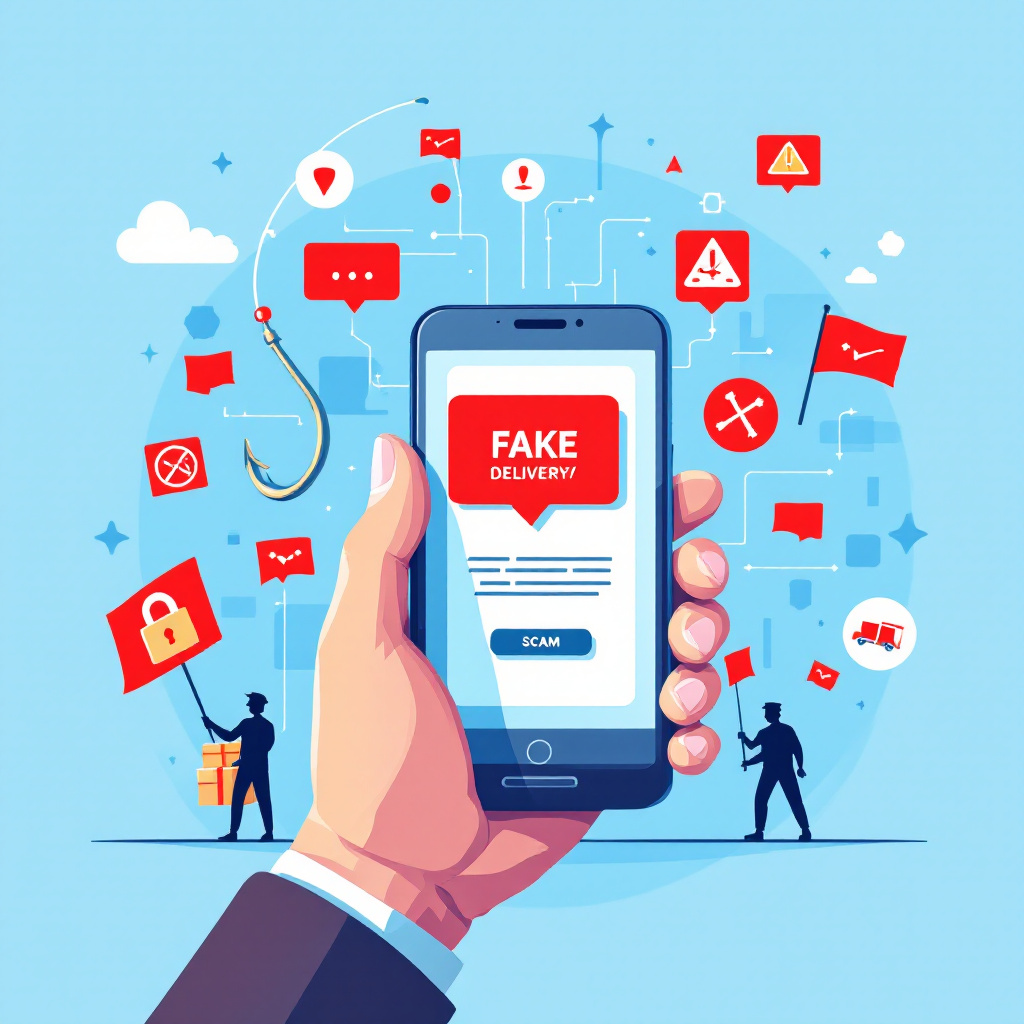
Sarah was expecting a birthday gift from her sister in Vancouver when the text arrived: "Canada Post: Your package delivery failed. Click here to reschedule: [link]." She was about to tap the link when something made her pause. The sender number looked odd, and she remembered her sister mentioning she'd used FedEx, not Canada Post. That moment of hesitation saved Sarah from becoming another victim of Canada's fastest-growing scam.
What This Scam Is
Delivery service scams are fraudulent messages that impersonate legitimate shipping companies like Canada Post, FedEx, UPS, or Purolator. These scams trick victims into clicking malicious links, downloading harmful apps, or providing personal information by claiming there's an issue with a package delivery. The goal is to steal your money, personal data, or gain access to your accounts.
How the Scam Typically Works
1. The Bait
Scammers cast a wide net by sending thousands of fake delivery notifications via text, email, or robocalls. They impersonate trusted carriers and claim your package couldn't be delivered due to an incomplete address, unpaid customs fees, or delivery attempt failure. The timing often coincides with online shopping seasons when people are genuinely expecting packages.
2. The Hook
The message contains a sense of urgency and a call to action. You're told to click a link to "reschedule delivery," "pay a small fee," or "update your address." The fraudulent websites look remarkably similar to legitimate carrier sites, complete with logos and official-looking forms. Some scams direct you to download a "tracking app" that's actually malware.
3. The Pressure
Once you're on the fake website or have downloaded the malicious app, the pressure intensifies. You're told your package will be returned to sender unless you act immediately. The site may ask for personal information like your full name, address, and phone number, then escalate to requesting credit card details for a "small delivery fee" or "customs charge."
4. The Payoff (For the Scammer)
With your information in hand, scammers can commit identity theft, make unauthorized purchases, or sell your data on the dark web. If you've downloaded malware, they may gain access to your banking apps, contacts, and other sensitive information stored on your device. Some victims report ongoing fraudulent charges and compromised accounts weeks after the initial scam.
Red Flags to Watch For
• Unexpected delivery notifications when you haven't ordered anything
• Generic greetings like "Dear Customer" instead of your name
• Urgent language demanding immediate action
• Suspicious sender numbers or email addresses that don't match the official carrier
• Requests for payment via text or email (legitimate carriers bill separately)
• Poor grammar or spelling in official-looking messages
• Shortened URLs or links that don't lead to official carrier websites
• Requests to download apps from unofficial sources
How to Protect Yourself
Verify independently. If you receive a delivery notification, don't click any links. Instead, go directly to the carrier's official website or app to check your tracking information. If you're expecting a package, you should have a legitimate tracking number.
Check the sender details. Legitimate carriers send messages from official numbers and email addresses. Canada Post, for example, uses specific sender IDs that remain consistent.
Be skeptical of payment requests. Real delivery companies don't typically ask for payment via text message links. Customs fees and delivery charges are usually handled differently.
Keep your devices secure. Enable automatic updates, use reputable antivirus software, and never download apps from unofficial sources. Enable multi-factor authentication on your important accounts.
Trust your instincts. If something feels off about a message, it probably is. When in doubt, contact the carrier directly using their official customer service number.
Real Examples
Text Message Scam:
"CANADA POST: Package delivery unsuccessful. Reschedule at: bit.ly/cp-redelivery-2024 or your item will be returned."
Red flags: Shortened URL, generic message, unofficial sender number
Email Scam:
"Subject: UPS Delivery Exception - Action Required
Dear Valued Customer,
We attempted to deliver your package (Tracking: 1Z999AA1234567890) but encountered an issue. A customs fee of $3.95 is required for release. Click here to pay and schedule redelivery: [malicious link]"
Red flags: Generic greeting, small payment amount designed to seem legitimate, pressure to act quickly
Robocall Scam:
"This is an automated message from FedEx. Your package is being held at our facility due to an incomplete address. Press 1 to speak with a representative and provide the correct information."
Red flags: Automated call about a package you didn't order, pressure to provide personal information over the phone
Why This Scam Is Increasing
The surge in online shopping, accelerated by the pandemic, has created perfect conditions for delivery scams. Canadians are ordering more packages than ever, making fake delivery notifications seem plausible. The Canadian Anti-Fraud Centre reports a 400% increase in delivery-related scams since 2020.
Scammers have also become more sophisticated, using AI to create convincing fake websites and improving their social engineering tactics. They exploit seasonal shopping patterns, ramping up activity during Black Friday, holiday seasons, and back-to-school periods when package deliveries peak.
The rise of contactless delivery has made it harder for consumers to track their packages in real-time, creating uncertainty that scammers exploit. Additionally, data breaches at retailers provide scammers with information about real purchases, allowing them to craft more targeted and believable messages.
Expert Insight
Cybersecurity experts emphasize that delivery scams succeed because they exploit our expectations and create artificial urgency. "These scams work because they catch people in a vulnerable moment when they're genuinely expecting a package," explains fraud prevention specialists. "The key is to slow down and verify independently rather than reacting to the pressure tactics scammers use."
What to Do If You’re Targeted or Victimized
If you receive a suspicious message: Don't click any links or provide any information. Delete the message and verify your package status through official channels.
If you clicked a link but didn't provide information: Run a security scan on your device and monitor your accounts for unusual activity.
If you provided personal information: Contact your bank and credit card companies immediately to alert them of potential fraud. Consider placing a fraud alert on your credit reports.
If you downloaded malware: Disconnect from the internet, run antivirus scans, and consider professional device cleaning. Change passwords for all important accounts from a clean device.
Report the scam: Contact the Canadian Anti-Fraud Centre at 1-888-495-8501 or report online at antifraudcentre-centreantifraude.ca. Also report to the impersonated carrier and forward phishing emails to the appropriate authorities.
Final Takeaway
In the age of online shopping, a healthy dose of skepticism about unexpected delivery notifications isn't paranoia—it's smart digital hygiene. When in doubt, hang up, delete, and verify independently.
