

Close Menu

    Subscribe to Updates

    Get the latest creative news from FooBar about art, design and business.

    What's Hot

    Malicious npm packages evade install-script defenses at runtime

    September 20, 2026

    Researchers escape OpenAI Codex sandbox to run commands on host

    September 20, 2026

    Microsoft Teams will let admins block custom file extensions

    September 20, 2026
    Facebook X (Twitter) Instagram
    • Demos
    • Technology
    • Gaming
    • Buy Now
    Facebook X (Twitter) Instagram Pinterest Vimeo
    Canadian Cyber WatchCanadian Cyber Watch
    • Home
    • News
    • Alerts
    • Tips
    • Tools
    • Industry
    • Incidents
    • Events
    • Education
    Subscribe
    Canadian Cyber WatchCanadian Cyber Watch
    Home»News»Webinar: How malicious OAuth apps can lead to Google Workspace breaches
    News

    Webinar: How malicious OAuth apps can lead to Google Workspace breaches

    adminBy adminSeptember 14, 2026No Comments3 Mins Read
    Share Facebook Twitter Pinterest LinkedIn Tumblr Reddit Telegram Email
    Share
    Facebook Twitter LinkedIn Pinterest Email


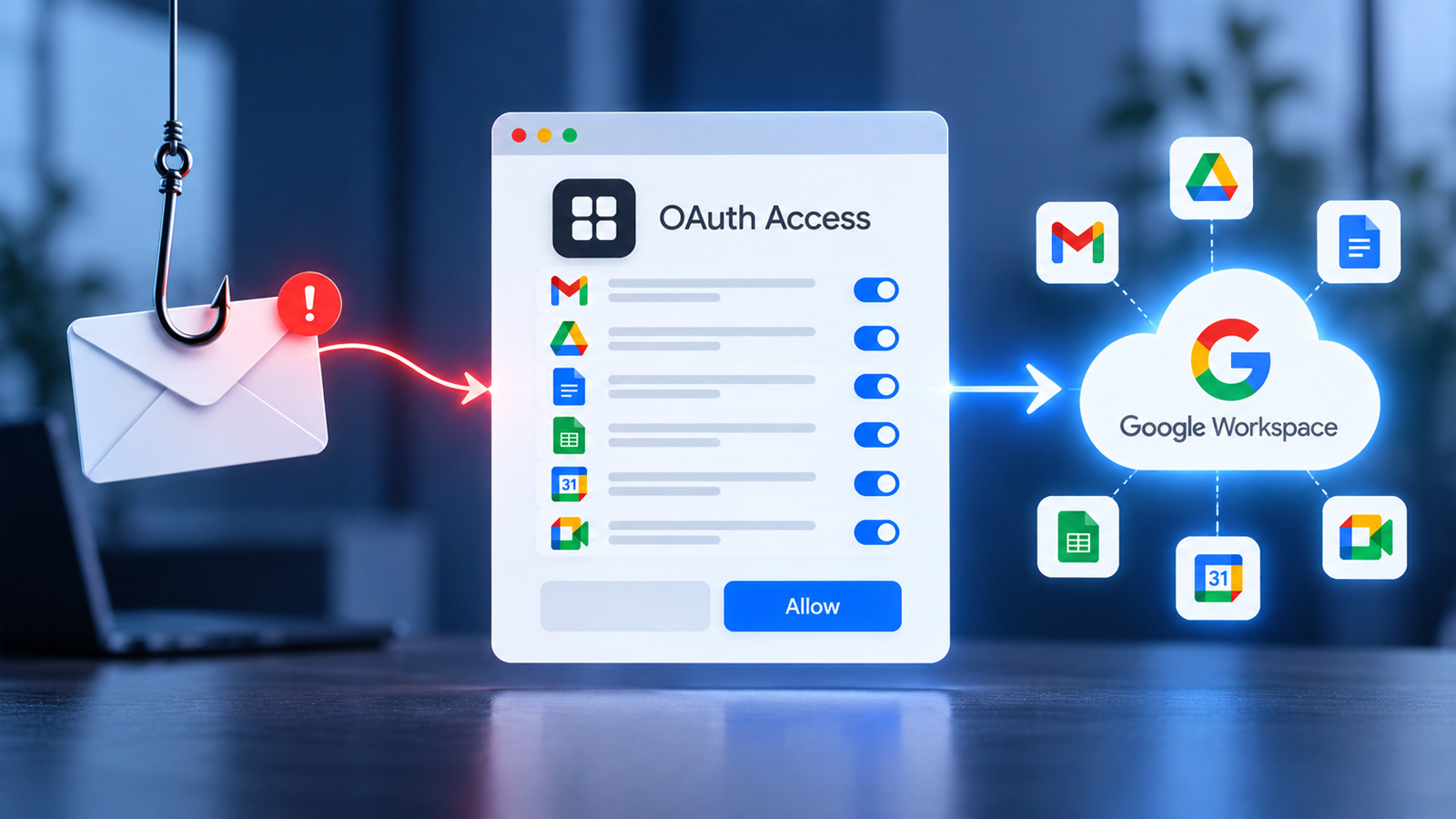
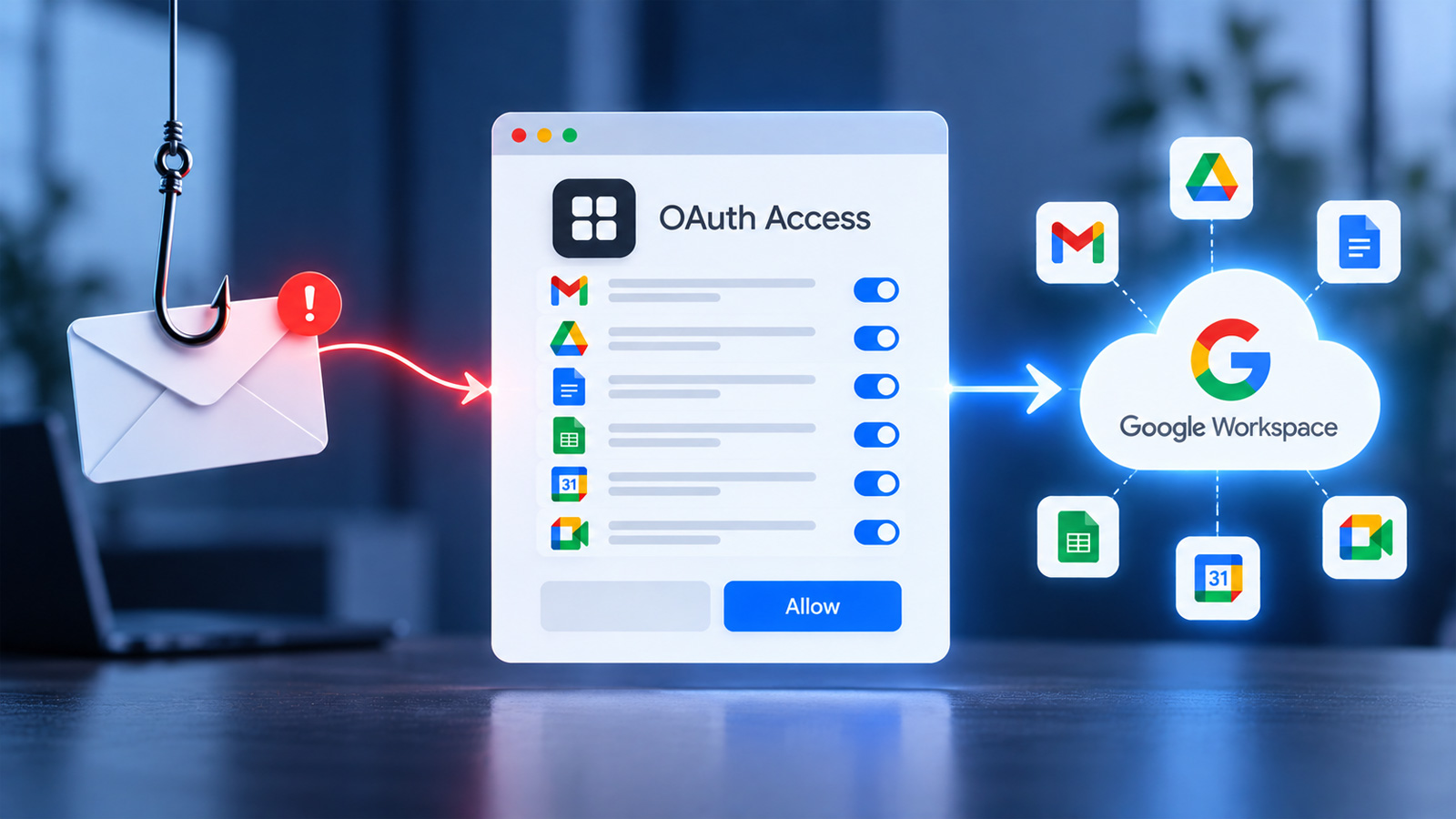
    OAuth breach

    Google Workspace attackers don’t necessarily need to exploit a software vulnerability or steal a user’s password to gain access to an organization’s data.

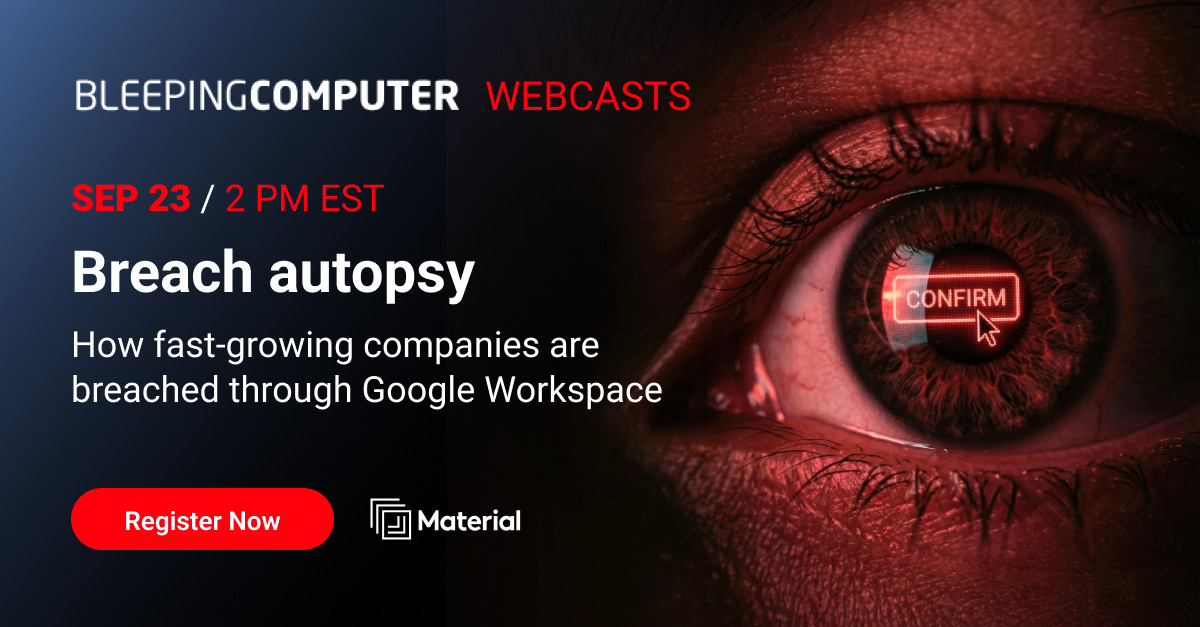
    On September 23, 2026, BleepingComputer will host a live webinar titled “Breach autopsy: How fast-growing companies are breached through Google Workspace” with Material Security.

    The webinar will feature Rajan Kapoor, Vice President of Security at Material Security, and Rick Fitzgerald, President of Fireside Consulting LLC, examining two attacks that used malicious OAuth applications and social engineering to breach Google Workspace environments.

    OAuth allows users to grant applications access to Google Workspace data and services without sharing their passwords. While this makes it easier to connect legitimate applications to Google Workspace, attackers can also abuse the authorization process by convincing users to grant permissions to malicious apps.

    Rather than stealing credentials, attackers can use social engineering to persuade a target to authorize an application, potentially providing access to sensitive information available through the permissions the user approved.

    These attacks highlight why protecting Google Workspace requires organizations to look beyond passwords and traditional authentication controls and understand which applications have access to their environment.

    During the webinar, the speakers will break down how the two attacks unfolded, the weaknesses that allowed them to succeed, and the decisions organizations made during the critical first hours of the incidents.

    Attendees will also learn which security controls provide the greatest value for fast-growing organizations and what the speakers would prioritize if they were building a Google Workspace security program from scratch.
    Material Webinar

    When attackers convince users to grant access

    Social engineering attacks are often associated with tricking users into revealing passwords or other credentials. Malicious OAuth apps provide attackers with another approach: convincing the victim to authorize access instead.

    A user may believe they are connecting a legitimate application or responding to a trusted request while actually granting a malicious app permissions within their Google Workspace environment.

    The resulting access depends on the permissions granted, but the attack demonstrates why organizations need visibility into third-party applications and the access users are allowed to authorize.

    By examining two attacks that combined malicious OAuth applications with social engineering, this webinar will provide a practical look at how these breaches happen and what defenders can do to reduce their exposure.

    The upcoming webinar will cover:

    • How attackers combine social engineering and malicious OAuth applications to target Google Workspace environments
    • How users can be manipulated into authorizing application access
    • What happens during the first hours of a Google Workspace breach and which response decisions matter most
    • Which security controls provide the greatest value for fast-growing companies with limited security resources
    • Practical security improvements organizations can implement quickly, ranked by effort and potential impact

    Join us to see how malicious OAuth applications and social engineering can lead to Google Workspace breaches and what organizations can learn from real-world attacks.

    ➡ Register now to secure your spot!


    Source link

    Share. Facebook Twitter Pinterest LinkedIn Tumblr Email
    Previous ArticleMicrosoft: September updates cause RDS failures on Windows Server
    Next Article Why Patch Automation Needs Brakes, Not Just an Accelerator
    admin
    • Website

    Related Posts

    News

    Malicious npm packages evade install-script defenses at runtime

    September 20, 2026
    News

    Researchers escape OpenAI Codex sandbox to run commands on host

    September 20, 2026
    News

    Microsoft Teams will let admins block custom file extensions

    September 20, 2026
    Add A Comment

    Comments are closed.

    Demo
    Top Posts

    Catchy & Intriguing

    March 17, 202679 Views

    How fraudsters target credit unions

    May 4, 202644 Views

    IP Address Investigations and Local OSINT

    March 20, 202641 Views
    Stay In Touch
    • Facebook
    • YouTube
    • TikTok
    • WhatsApp
    • Twitter
    • Instagram
    Latest Reviews
    85
    Featured

    Pico 4 Review: Should You Actually Buy One Instead Of Quest 2?

    January 15, 2021 Featured
    8.1
    Uncategorized

    A Review of the Venus Optics Argus 18mm f/0.95 MFT APO Lens

    January 15, 2021 Uncategorized
    8.9
    Editor's Picks

    DJI Avata Review: Immersive FPV Flying For Drone Enthusiasts

    January 15, 2021 Editor's Picks

    Subscribe to Updates

    Get the latest tech news from FooBar about tech, design and biz.

    Demo
    Most Popular

    Catchy & Intriguing

    March 17, 202679 Views

    How fraudsters target credit unions

    May 4, 202644 Views

    IP Address Investigations and Local OSINT

    March 20, 202641 Views
    Our Picks

    Malicious npm packages evade install-script defenses at runtime

    September 20, 2026

    Researchers escape OpenAI Codex sandbox to run commands on host

    September 20, 2026

    Microsoft Teams will let admins block custom file extensions

    September 20, 2026

    Subscribe to Updates

    Get the latest creative news from FooBar about art, design and business.

    Facebook X (Twitter) Instagram Pinterest
    • Home
    • Technology
    • Gaming
    • Phones
    • Buy Now
    © 2026 ThemeSphere. Designed by ThemeSphere.

    Type above and press Enter to search. Press Esc to cancel.